Getting sick in Japan while traveling is probably one of those things you don’t really think about until it actually happens.
Unfortunately for us, it happened in Japan.
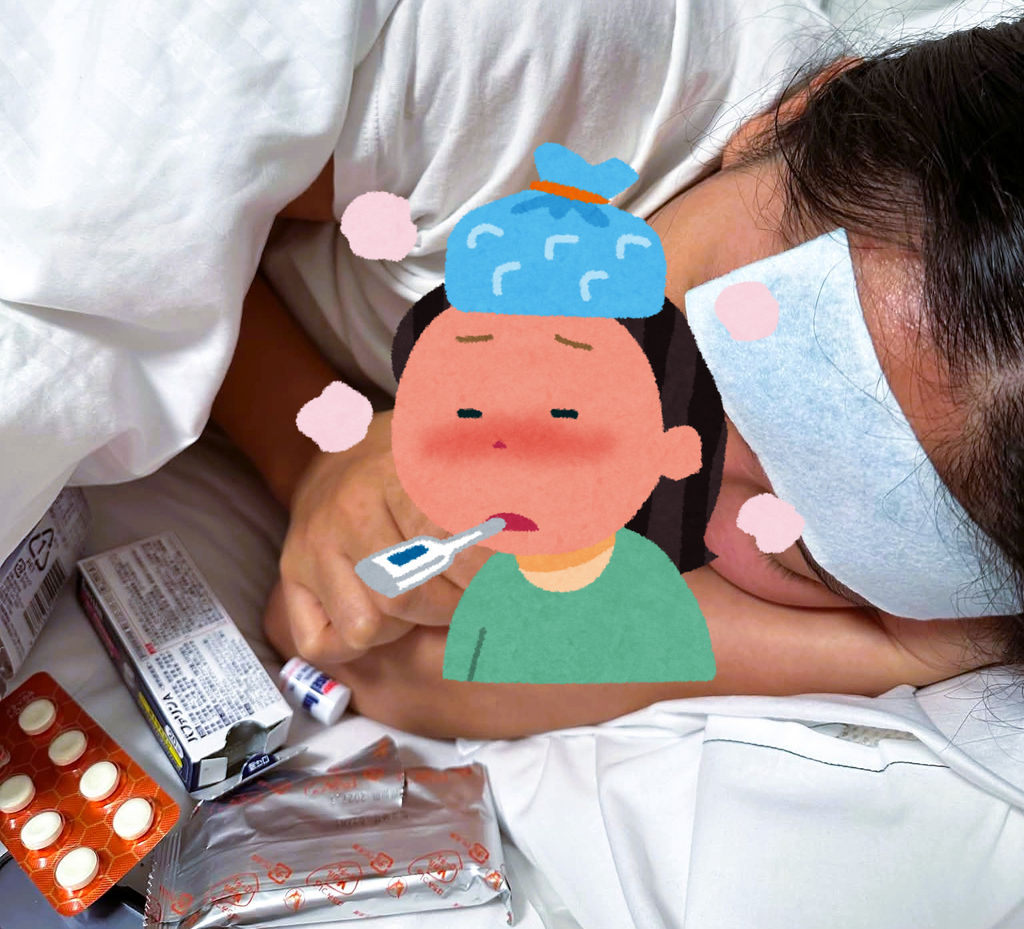
We had just arrived in Tokyo after our trip to Hokkaido, and my wife wasn’t feeling well.
She had a fever and cough, and instead of immediately continuing with the Tokyo itinerary we had planned, our priority suddenly became finding a doctor.
Not exactly how we expected this part of the trip to start.
Finding an English-Speaking Doctor in Tokyo
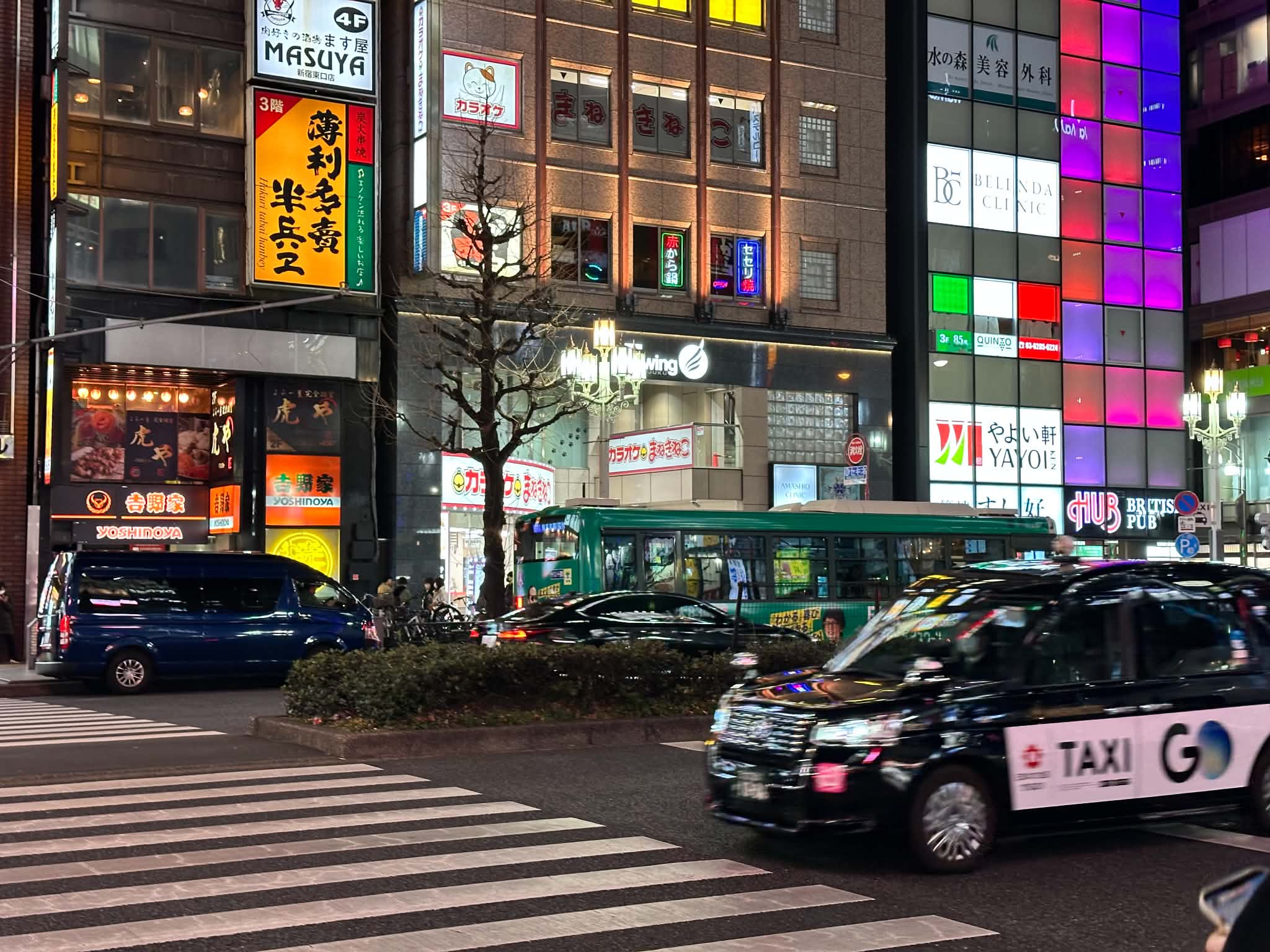
At the time, we were staying at an APA Hotel in Kabukicho, Shinjuku.
Since my wife wasn’t feeling well, I didn’t want us traveling far just to find a clinic.
So we started looking for somewhere nearby.
This was also when I realized something important when traveling somewhere where you don’t speak the local language:
Finding a clinic is one thing. Finding somewhere you can actually communicate with the doctor is another.
We eventually found Kim Clinic in Kabukicho.
The clinic is located at:
Kawai Building 4F
2-41-7 Kabukicho
Shinjuku, Tokyo
The nurses and staff were very accommodating when we went there, and the doctor was very kind.
Most importantly for us, we were able to communicate with the doctor in English during our visit.
That made the whole situation much easier.
When you’re already worried because someone you’re traveling with is sick, the last thing you want is another problem trying to explain the symptoms or understand what the doctor is telling you.
RPR TIP: Look for a Clinic Before You Actually Need One
This is something I’d probably do differently on future trips.
You don’t necessarily have to book anything beforehand or spend hours researching hospitals before you even arrive. But once you know where you’re staying, it only takes a few minutes to check what clinics or hospitals are nearby and save one or two options on your phone.
Look for things like:
- Can they accommodate foreign travelers?
- Can you communicate with someone there in English?
- How far is it from your hotel?
- Do you need an appointment?
- What are their opening hours?
- Do they accept walk-ins?
- What should you bring with you, such as your passport, insurance details, or a list of medications?
- Is there a nearby pharmacy in case you need to pick up medicine afterward?
I’d also save the clinic’s address, phone number, and map location somewhere easy to access. If you’re traveling with someone else, it’s a good idea for both of you to have the information instead of keeping everything on just one phone.
Hopefully, you’ll never need any of it.
But if you suddenly wake up sick, have a fever, or realize you need medical attention, you’ll be glad you already know where to go.
It’s a small bit of preparation, but in the moment, it can make a stressful situation feel a lot more manageable.

The Medical Cost Wasn’t as Bad as I Expected
One of my concerns was obviously the cost.
We were in another country, visiting a clinic in Tokyo, and I didn’t really know how expensive everything was going to be.
Thankfully, in our case, it wasn’t as expensive as I expected.
I won’t give an exact amount because I don’t want to suggest that someone else will pay the same. Your cost will obviously depend on the consultation, treatment, tests, medication, and what you actually need.
But we also had something important with us:
Travel insurance.
Quick note: This article contains an affiliate link to SafetyWing. If you purchase through it, I may earn a commission at no extra cost to you. We personally used SafetyWing during this trip, and everything shared here is based on our own experience.
At the time, we had SafetyWing’s Nomad Insurance Essential.
If you’re planning a trip and want to see how much it would cost for your own travel dates, click here to get a quote.
In our case, we paid the medical expenses ourselves first and then submitted a claim afterward.
The process was pretty straightforward for us. We submitted the required documents, and we got reimbursed.
That experience definitely made me appreciate having travel insurance more.
Before something happens, insurance can feel like just another expense you’re adding to your trip.
Then you actually need it.
And suddenly you’re very happy you have it. 😂
Of course, this was our personal experience.
Don’t assume that because something was reimbursed for us, the exact same thing will automatically be covered for you.
Insurance policies have conditions, exclusions, limits, and documentation requirements, so always read the coverage details before purchasing.
We Lost Two Days of Our Tokyo Trip
Thankfully, my wife recovered.
But we basically lost around two days of the trip while she was sick and recovering.
And one of the biggest things we had planned during those days was:
Disneyland.
We had to cancel it.
Was I disappointed?
Of course.
You’re already in Tokyo, you’ve planned everything, and suddenly part of the itinerary is gone.
But at the same time, there really wasn’t a decision to make.
Her health was more important.
Disneyland isn’t going anywhere.
We can always come back.
Trying to force yourself to continue traveling when you’re sick just because you’ve already paid for the trip isn’t worth making things worse.
And honestly, I think this is something travelers sometimes forget.
You spend months planning.
You book flights.
Hotels.
Activities.
You have this itinerary that says:
DAY 1: THIS.
DAY 2: THIS.
DAY 3: DISNEYLAND.
Then real life happens.
Your itinerary doesn’t care that you have a fever.
😂
Sometimes you just have to change the plan.
Bring Basic Medicine With You
After this experience, one thing I’d recommend is bringing a small amount of basic medicine and health essentials when you travel.
Nothing crazy.
You don’t need to bring your entire medicine cabinet.
But having some of the basic things you normally use can be helpful, especially during the first few hours when someone starts feeling sick.
Just make sure anything you’re bringing is actually permitted in the country you’re entering, because medication rules can be different depending on where you’re traveling.
And if the symptoms are getting worse or you’re unsure about something, don’t rely only on whatever you brought with you.
Find a doctor.
That’s what they’re there for.
Why Travel Insurance in Japan Mattered for Us
This trip changed the way I look at travel insurance.
It’s probably one of the least exciting things to spend money on when planning a vacation.
I’d much rather use that money for food.
Or shopping.
Probably shopping. 😂
But now I see it differently.
You can prepare the perfect itinerary, choose a great hotel, budget your food, plan your transportation, and research every attraction.
But you can’t really schedule when you’re going to get sick.
For us, having insurance meant that when we needed medical care, we could focus more on getting my wife checked instead of worrying too much about the bill.
Personally, travel insurance is something I wouldn’t skip anymore.
But that doesn’t mean you should just buy the first one you see.
Choose something that actually fits your trip.
Before traveling, try to understand:
- What medical expenses are covered?
- Are there exclusions you should know about?
- Do you pay first and request reimbursement?
- Is direct payment available in certain situations?
- What documents do you need for a claim?
- Who do you contact if something happens?
Save the important information somewhere you can easily access it too.
Because trying to figure all of that out for the first time while someone beside you has a fever isn’t exactly fun.
Keep Your Receipts and Documents
This one is important if you’re planning to claim through insurance.
Keep everything.
Receipts.
Medical documents.
Prescriptions.
Proof of payment.
Anything the clinic gives you.
Don’t immediately throw something away because it looks unimportant.
We needed documentation when we submitted our claim, so I’m glad we kept what we were given.
I would even recommend taking photos of the documents as a backup.
It takes a few seconds and gives you another copy in case you lose the physical one.
What We Learned About Getting Sick in Japan
Missing two days wasn’t ideal.
Missing Disneyland definitely wasn’t part of the plan.
But the important part was that my wife recovered.
And once she was feeling better, we were still able to continue enjoying Tokyo.
Looking back, this became another part of the trip that we learned from.
Not the fun part.
But still an important one.
When people talk about preparing for Japan, we usually talk about how much money to bring, what shoes to wear, which train card to use, where to eat, or which attractions to visit.
Those things matter.
But your health should be part of your travel preparation too.
Bring the basics.
Know where you can get help.
Have some money available for unexpected expenses.
And personally, I’d get travel insurance that fits the kind of trip I’m taking.
Hopefully, you’ll pay for it and never need to use it.
That’s actually the best-case scenario.
But if you do need it?
You’ll probably be very glad it’s there.
We missed Disneyland.
But Disneyland can wait.
Getting my wife better couldn’t.
Looking for more travel stories? Explore our Travel section.